
Deodorant Showdown!

There are many compelling reasons we should switch to deodorant over antiperspirant. There are many myths surrounding the antiperspirant vs deodorant debate and it can be hard to differentiate the fact from fiction. But I finally made the jump from lifelong antiperspirant user to deodorant user about 3 years ago. For those that are concerned about the fact that I’m in San Francisco, one of the more temperate climates and are thinking, “But Dr. Michaela, you really don’t sweat much in SF, this isn’t really applicable to me, because I live in {insert hotter than heck place here}”. Fret not. I actually tested the majority of these deodorants in Phoenix, Arizona, also known as the oven of the United States. So lets get down to these comparisons…. (for the TL;DR version, scroll to the bottom or visit my Instagram page!)

As a self professed life long antiperspirant user, I really was looking for something that I didn’t have to reapply multiple times a day and that would make it so I wouldn’t be that smelly person. It had to withstand September temperatures in Phoenix, which are still in the 100’s to high 90’s. I expected to sweat (again, antiperspirant stops you from sweating, but deodorant just makes you smell nice while you sweat), but also wanted to avoid discoloring my clothes. I was looking for a deodorant that wasn’t completely foreign in the way it was applied and how it felt.

I was judging these products based on scents available, the form it was in, ease of application, if I had to reapply, how it felt on, if it stung after shaving, if it left a residue on clothes, and the cost.  Results are below:

1) Lavanila – $14/stick

First, I tried Lavanila from Sephora. They have 8-9 different scents, its available in a stick/solid, and was super easy to apply. I needed to reapply twice a day if I wanted to stay fresh for more than 12 hours. No sting and no residue on clothing and it cost about $14 a stick. It did pass the My-car-battery-died-in-101-degree-heat test, but I did notice I had to reapply by about 6pm that night. Overall, it was nice, but I wasn’t wild about the scents since they were all vanilla based.

2) Primal Pit Paste – $10.95/stick

This is an online product from Texas. It is available in both a solid and a paste. The paste felt like powdered sugar glaze, which was slightly gritty on my underarms. The solid needed a second to warm up before it would easily glide on. I didn’t love the paste as it was awkward for me to apply. But I never needed to reapply. No sting after shaving and the scents are fantastic. This was originally my top pick, but after about a year of wearing it, I started noticing my underarms getting darker and realized I had developed a fungal infection. I stopped using it for about 6 months and then tried again. The infection came back. So I had to stop it, but was really sad about it. I know many people who swear by this brand and I think my particular biome wasn’t compatible.

3) Routine Cream – $28 Canadian/full size pot

The smells were the best in my opinion and I loved that you could order samples. This is a Canadian company, so the products were slightly more expensive and shipping was kind of crazy. That being said, the deodorants are offered in multiple formulations and scents. I developed a rash from one of the formulations, but the other two were easily absorbed, with no residue or need for reapplication. I don’t love the paste formula and it was not available in stick form.

4) Lush Deodorants (multiple) – $6.95 +

Lush has multiple deodorants and I’ll be honest: the last time I tried them was about 7 years ago. There are powder forms and solids. The solids are really dry feeling and kind of feel sticky. The powder was smooth and dry, but super hard to control and I ended up getting it all over my clothes. I definitely had to reapply multiple times and I didn’t love the earthy smells.

5) Native Deodorant – $12/stick

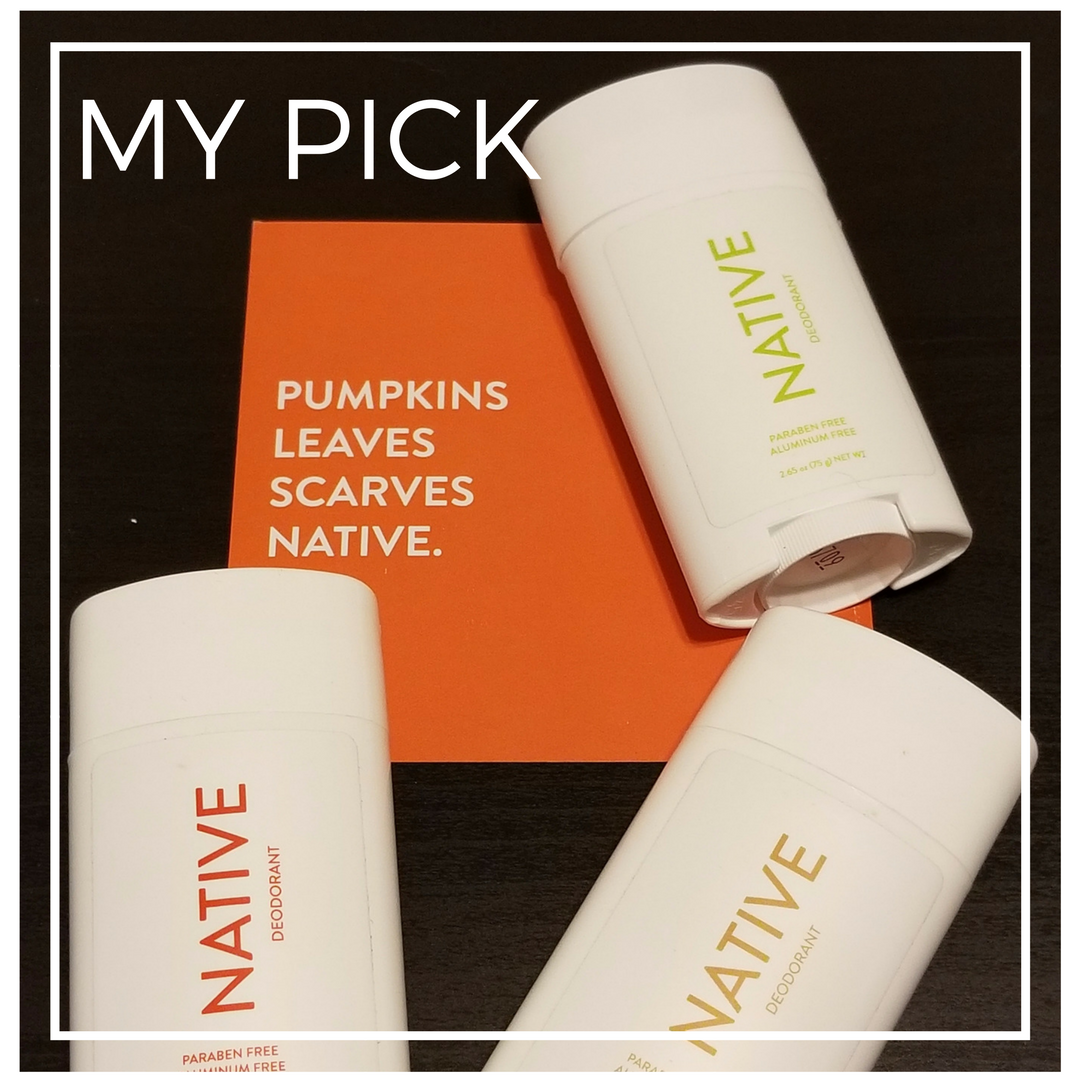
This one is my favorite. It comes in stick forms and has amazing seasonal and permanent scents like pear/lavender and coconut/vanilla. The stick looks almost identical to an antiperspirant stick. I love that it has probiotics in it to help combat smell and works really well for those who have not had success in the past with deodorants. I have not ever had to reapply and it doesn’t sting after shaving. I even wore this one to my visit to Chichen Itza where it was 100+ degrees and humid as heck and didn’t need to reapply! I think this one is a great first step for those looking to venture into the world of deodorants and is my go to for deodorant now!

So TL;DR: Native is my choice. It’s made in the USA, fairly inexpensive, almost identical in application and texture to antiperspirant, and smells great. I love the probiotics in there to help combat body odor and there has been no residue on my clothes. It comes in both sensitive and regular formulations and the shipping is oftentimes free!

Hope this helps you guys feel more brave to venture into the world of deodorants and leave your antiperspirant behind! Happy sweating!
Allergy Relief – Staving off the Sneezes

With the changing of the seasons and the rain finally coming to a close, the flowers come out with a vengeance. With the beauty that they lend the world, comes massive amounts of pollen. Allergy season often coincides with Spring and Fall, but depending on your allergies, you can suffer year long. Brain fog, itchy eyes, sneezing, and feeling fatigued are not pleasant things you’d like to deal with on a daily basis. But when you take the over the counter medications, the extra layer of brain fog and fatigue make it downright unbearable. So you feel stuck between a rock and a hard place. There are many natural solutions to ease the pain of allergies that don’t give the brain fog or medication hangover, but still provide potent relief.

Air Purifier

Getting an air purifier in your home can help to decrease the allergens residing there. By making your house a clean zone, you can vastly decrease the amount of allergens you are subjected to. This gives your system a rest, especially at night, so your body can heal and rest itself from the onslaught of allergens outside. This also helps to filter out the harmful particles like mold, which can cause a low level of inflammation, especially in the respiratory tracts. To boost the air purifier, make sure to avoid wearing your shoes in the house too!

Use Natural Cleaners

We all clean when we start to feel the allergies coming on. Common household cleaners can often emit vapors that inflame and harm the skin and respiratory tract. Always wear gloves and use natural cleaners to decrease the chances of further inflaming your respiratory tract.

Vitamin C

Our cells react to allergens by releasing histamine. It’s the histamine that causes many of our allergy symptoms, like sneezing, itchy eyes, and skin rashes. Vitamin C helps to stabilize the cells to decrease their ability to release histamine. By taking appropriate amounts, this stabilizes the cell’s membranes and keeps histamine IN the cell, rather than outside it.

Vitamin B5/ Pantothenic Acid

Vitamin B5 is a super safe addition to your allergy regimen. B5 can help to control nasal congestion and dry up secretions. B5 can also reduce eosinophils, which are the main white blood cells (immune cells) responsible for allergies. This also helps to quickly decrease histamine levels in the body, which can help to alleviate symptoms.

Stinging Nettles

This herb is a great addition to your allergy arsenal. It helps to decrease the frequency and severity of allergy symptoms, such as runny nose and sneezing. If taken with enough time before allergy season, it can even help to prevent an allergic response. Its best to dose this herb frequently and early in the season to allow it to take full effect.

Gingko Biloba

This herb is normally associated with mood and cognitive function, but it also can play a small role in helping allergy symptoms. It can chemically mediate the inflammatory and allergy response due to some of its constituents. It’s got plenty of antioxidant properties that help to decrease inflammation and improve cognition. Lastly, it can help with asthma, as it decreases the bronchoconstriction!

NAC

This compound combats allergies in multiple ways. It is the precursor to glutathione, which is a major antioxidant, liver protector, and immune supportive nutrient. While strengthening the immune system, it also helps to thin and dry up mucus and phlegm, allowing you to breathe easier. Just drink plenty of water, as it can easily leave you feeling extra dry.

There are many other ways to alleviate allergies – avoiding food sensitivities and trans fats, practicing good hygiene in the home and on yourself, and avoiding exposure to extra chemicals and scents during times of sensitivity. Make an appointment and we can discuss the best methods for you to combat allergies!

It Could Be Your Adrenals… Part 2

So now you’re pretty sure your adrenals are suboptimal and looking for hope. Good news! There are plenty of things that you can do to help nourish them! This post will address different tools we can use to help you flourish in your day to day life.

LIFESTYLE

Adrenal dysfunction is largely due to stress. The easy thing to say is to remove unnecessary stressors. We get that it is easier said than done, but if you can even make small tweaks, it can have a profound effect on your energy and vitality. Following good sleep hygiene practices are paramount. We heal when we sleep and by making sure our room is completely dark, eliminating screen time for 30 minutes to an hour before bed, and creating a relaxing routine before bed can all help us to sleep better. Being in nature and under the sun will also help nourish our adrenals. Believe it or not, exercise can help – but with a caveat. Things like yoga, tai chi, bear crawls, and HIIT training can help reduce stress on the adrenals; but long endurance training actually increases the burden on your adrenals. Athletes who train over 40 km/week have shown significantly elevated cortisol levels for a significantly longer period of time. Lastly, massage will help to heal the adrenals. And who doesn’t love a good massage! 

NUTRITION

There is no truer adage than “you are what you eat”. To heal our adrenals, we want to put the most quality nutrients into our bodies, including vitamin C, B5, and B6; which are all necessary for adrenal function and cortisol production. Another way to support your adrenals is to cycle you carbs- eating low amounts of carbs in the morning and slowly increasing them throughout the day. This, along with avoiding caffeine and alcohol are sure fire ways to support your adrenals. If you are anxious and have “monkey mind” at night, consider eating foods rich in phosphatidylserine and L-Theanine.

HERBS

Adaptogens are the naturopath’s go-to class of herbs for healing the adrenals. There are many herbs in this class, but its best to consult a naturopathic doctor to see which one is right for you! Nervines pair well with adaptogens as they help to calm the central nervous system, which quiets the brain and decreases the messages sent to the adrenals to produce more cortisol. If your cortisol is high, consider some cortisol lowering herbs too. Check out my instagram for some of my favorite adrenal support products! 

GLANDULARS and HYDROCORTISONE

These two supplements/medications are our “heavy hitters”. They are for the most depleted. They help aid the adrenals by providing support, like training wheels on a bike.  These take some of the load off the adrenals and allow them time to heal by providing the body with the hormones instead of depending on the adrenals to provide them.

If you think adrenal fatigue is in your way to living a vital and full life, make an appointment with us and we are happy to help!

When You’re Tired Despite Everything Being Normal… It Could Be Your Adrenals. Part 1


It’s becoming increasingly common to hear our patients say that they are tired, having a hard time losing weight, and suffering from insomnia. They go to their allopathic doctors and are told they are just stressed, their thyroid is normal, and they might be depressed. They leave the office frustrated because they know something just isn’t right. Well, there is an oft-forgotten organ that might be struggling to keep up with our lifestyles – the adrenal glands.

What are the adrenal glands?  They are small glands that sit on top of your kidneys that produce various hormones.

The medulla produces adrenaline (norepinephrine and epinephrine). Adrenaline is for short term stressors – it’s made to get yourself to a safe place as fast as possible. This is the hormone that allows family members to lift cars off loved ones, makes you shake and heart beat faster when you’re dodging accidents on the interstate, and the feeling that is chased by “adrenaline junkies”. The cortex produces 3 classes of hormones: aldosterone, pregnenolone and DHEA, and cortisol. Aldosterone regulates blood pressure and sodium balance. Pregnenolone and DHEA are precursors to our sex hormones like testosterone, estrogen, and progesterone. Cortisol is the main indicator of adrenal health. Cortisol is made to take over for adrenaline if a particular stressor continues. It tells the liver to release more sugar into the blood so the body can continue to cope with the stressor. It also suppresses the immune system, because as far as the body is concerned, when you’re running from the bear and trying to find food, the immune system takes a back seat. Cortisol is so powerful at suppressing the immune system, that even watching a violent TV show has been shown to lower white blood cell count, which is an indicator of immune status.

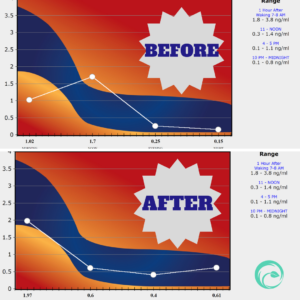
Cortisol is secreted throughout the day in different levels. Below is an example of a cortisol curve, the blue background is the normal curve.

Cortisol is high in the morning to help you wake up and lowers throughout the day, until it is as it’s lowest at night, so you can fall asleep. This curve is malleable and changes throughout your life. One to three adverse events as a child can permanently change your cortisol curve! This curve can go up during times of stress and if that stress continues over a long period of time, the adrenals become “fatigued”. The brain continues to tell the adrenals that the body is stressed, but the adrenals aren’t as responsive to this message and begin to react less to those stress messages. This causes that curve to slowly lower and ultimately become flat. Sometimes the stress message gets jumbled and the curve starts low in the morning and high at night. The size and behavior of your curve changes throughout your life.

So what does adrenal dysfunction feel like in your day to day life? Common symptoms are fatigue, mood changes (especially irritability, depression, and anxiety), waking unrefreshed, among others. Insomnia is common when the curve is inverted and cortisol raises at night. It is often accompanied by “monkey mind”, where your mind just can’t stop before bed.  Cravings for carbs and sugar are common that can result in weight gain around the middle. When your adrenals aren’t functioning optimally, other symptoms include excess urination, dizziness, brain fog, low libido, being easily startled, and decreased immunity.

These symptoms are pretty nonspecific, so how do we test for adrenal dysfunction? There are several methods, but they aren’t created equal. Below is a small table that compares the methods. Saliva is best because it tests bioavailable cortisol, it shows you a cortisol curve, and has over 3000 studies supporting this testing method.

Method Collection Circadian Rhythm? Bioavailable? Notables
Blood/Serum Blood draw No No
Urine Urine Collection- depends on your comfort handling your own urine. Yes Yes* *Tests metabolites, which can vary significantly between people
Saliva Easy! Saliva collection Yes Yes Over 3000 studies supporting this method


Our next blog will tell you about how to treat your adrenals and help keep them functioning optimally!

Fall Immune Support

With the seasons changing, we don’t have time for colds and flus to slow us down. With stress at an all-time high (even happy functions are still technically stress), we can’t afford to let our immune defenses down for a second. Here are some great tips on how to not just survive, but thrive this fall.
1) Eat your fruits and veggies
While it’s tempting to grab the quick options, we need to be operating on all cylinders. To do this, we need to feed our bodies the necessary nutrients to stay on top of our to-do lists and those germs! Make sure to get your full servings of fresh fruits and veggies.
2) Supplementing with immune boosting nutrients
When eating well and exercising isn’t enough, supplementation can help to bridge the gap. It’s easy to get quick B12 and B complex injections or an immune boosting IV. Both of these are relatively quick and painless ways to bathe your cells in the necessary vitamins and minerals, like vitamins B, C, D, A, and even zinc. These are also good ways to take a few minutes out of your schedule to stop and relax in our comfy heated and massaging chairs! Come to our walk-in hours for B12 shots (www.gotvitaminb12.com) or make an appointment for an IV (www.gotivdrip.com)!
3) Adding in great anti-viral herbs to your regimen**
Elderberry is a great antiviral herb. These little berries are also powerful anti-oxidants which helps to boost the immune system and combat viruses. Elderberries come in all different forms – from lozenges to syrups, to gummies. You can even make your own syrup or gummies and add in other great herbs, such as calendula, licorice, ginger, Echinacea, and many more! Make an appointment to get a personalized immune boosting regimen (www.naturalhormonecenter.com)!
Another option is to warm yourself up with a toasty oxymel!* It’s super easy to make and is highly antiviral and soothes even the sorest of throats. The recipe is below!
Oxymel Recipe**

  • 8 cups of water
  • 1 bulb of garlic, peeled and coarsely sliced or chopped
  • 1 – 1 ½ cups of honey
  • 1 cup of apple cider vinegar

Boil water and garlic for about half an hour. Then add 1 cup apple cider vinegar and 1 cup of honey (to taste). Sip on this throughout the day.
The vinegar increases secretions of your throat and respiratory tract and is a great source of potassium. Honey is anti-microbial and helps ease sore throats. Garlic is a great immune booster and helps to keep any bugs from sticking around too long.
4) Magic Socks**
If all the above doesn’t work, and you start to feel sick, it’s time to bring out the “big guns”/socks. At the first sign of sickness, these warming socks help to increase circulation and lymph flow, boost the immune system, and have a sedating effect, which can help you to sleep better. Here is what you’ll need:

  • 1 pair thin, cotton socks
  • 1 pair wool socks or multiple pairs of thick cotton socks
  • Ice water

Soak the thin cotton socks in the ice water. While the socks are soaking, take a hot shower/bath or soak your feet in hot water to get them nice and warm. Wring out the thin cotton socks to wet, but not dripping. Put those socks on, then cover the socks with the thick wool socks. Go to bed and try to stay warm. Sleep with the socks on overnight. They should be dry by morning.

I often find that these tricks help to eliminate or greatly decrease any downtime from colds and flus. Feeling healthy helps us to better enjoy our time with family and friends and stay on top of our to-do lists. If you need any other help, we’d love to see you and you are welcome to make an appointment at www.naturalhormonecenter.com!

**If you have any chronic conditions, decreased sensation or circulation, or decreased immunity, talk to your naturopathic doctor before trying any treatments.